
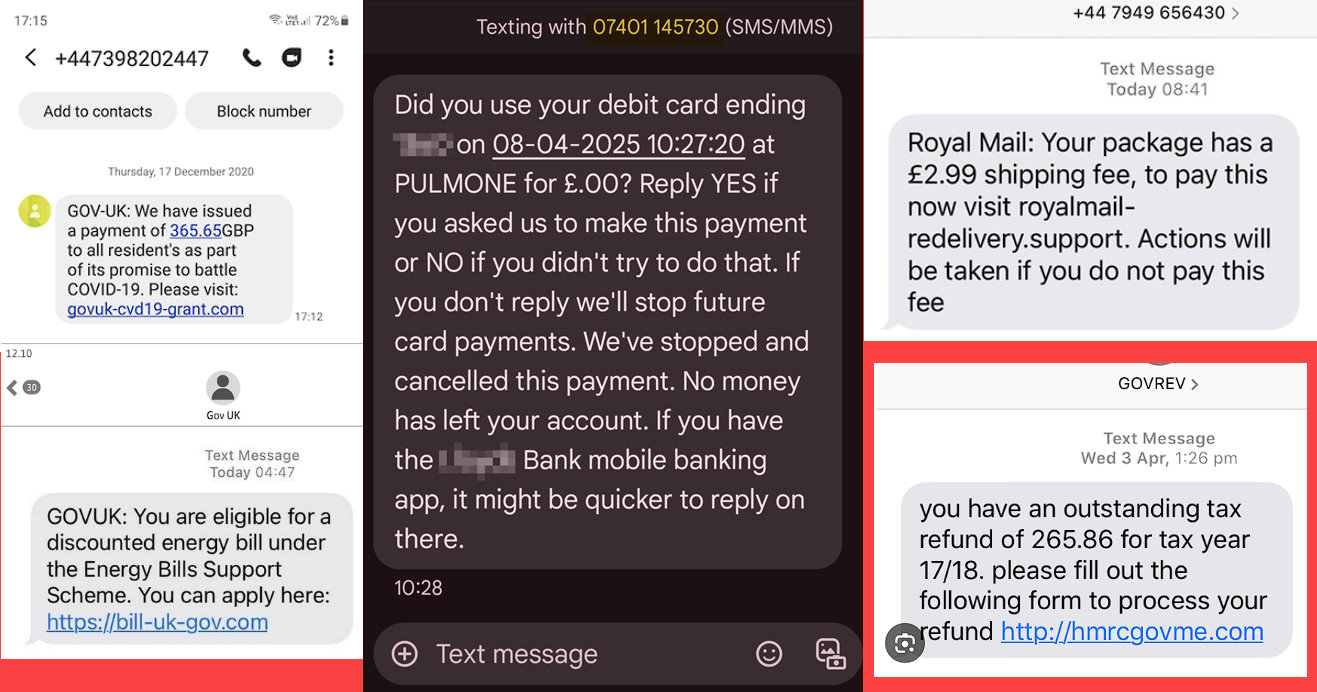

That little buzz in your pocket can sometimes bring more than just a friendly message. Increasingly, scammers are turning to SMS, or text messaging, to try and trick you out of your money and personal information. These mobile scams can be surprisingly sophisticated, but with a little awareness, you can significantly reduce your risk of getting caught in their net.
The Bait: What Do These Scam Texts Look Like?
Scammers often rely on creating a sense of urgency or playing on your emotions. Here are some common types of SMS scams to watch out for:
- Fake Delivery Notifications: "Your parcel couldn't be delivered. Click here to reschedule." These links often lead to fake websites designed to steal your payment details.
- Urgent Bank Alerts: "Suspicious activity detected on your account. Verify immediately!" These messages aim to scare you into clicking a link and entering your login credentials.
- Voice mail from the bank's fraud division: "Poor sounding mobile message, hard to hear, or the message goes straight to the point!" These messages try and fool you into thinking the good guys are looking out for you, when in fact they are the fraudsters. Delete the message, do not engage with them.
- Phony Prize Wins: "Congratulations! You've won a [expensive item]! Claim it here." These often require you to pay a "small processing fee" which goes straight into the scammer's pocket.
- Tax or Government Agency Impersonation: "You owe unpaid taxes. Failure to pay will result in legal action." These messages use authority to intimidate you into sending money.
- Job Offers or Investment Opportunities: "Exciting work-from-home opportunity! Click here for details." These can lead to requests for upfront fees or the collection of your personal information.
The Hook: How They Try to Trick You
Scammers use various tactics to make their messages seem legitimate:
- Spoofed Numbers: They can sometimes mask their number to appear as if the message is coming from a genuine company or organization.
- Generic Greetings: Often, the messages will use vague greetings like "Dear Customer" instead of your actual name.
- Sense of Urgency: They pressure you to act quickly without thinking.
- Misspellings and Poor Grammar: While not always the case, many scam texts contain errors that legitimate organizations wouldn't make.
Reeling Yourself In: How to Avoid Mobile Scam Texts
Protecting yourself from these scams is crucial. Here are some key steps you can take:
- Be Suspicious of Unsolicited Messages: If you weren't expecting a text from a particular company or organization, treat it with caution.
- Never Click or Tap on Suspicious Links: This is the golden rule. If you're unsure about a link, don't tap it. Instead, manually visit the official website of the company in question or contact them directly through a known phone number.
- Don't Share Personal Information Via Text: Legitimate companies will never ask for sensitive information like passwords, PINs, or full credit card details via text message.
- Be Wary of "Urgent" Requests: Scammers thrive on creating panic. Take a moment to think before you act.
- Verify Directly: If you receive a message claiming to be from your bank or another service, contact them directly using their official contact information (found on their website or statements).
- Do a Google search using the words "Who is 07xxxxxxxxx". Normally you will be able to see who the scammer is from the text in the search result, without having to click into the website link. Avoid clicking into websites unless you know the site is safe.

- Report Scam Texts: You can usually report spam texts through your phone's messaging app or by forwarding them to a designated reporting number (like 7726 in the UK).
- Keep Your Phone Software Updated: Ensure your phone's operating system and security software are up to date to protect against malware.